
Article summary
- The most reliable real estate lead generation mixes sources you own (past clients, Google Business Profile, local video, Facebook and Instagram ads) with fast, consistent follow-up.
- Bought leads can work, but judge them by cost per closed deal, not cost per lead, and only buy if you have a follow-up system.
- BCFSA guidance says your brokerage name must be on any social media profile you use for business, and awards or claims need their basis stated.
- Meta limits age, gender, postal code and detailed targeting for housing ads shown in Canada, so your creative and offer do more of the work.
- Under CASL, implied consent from an inquiry generally lasts 6 months, so get express consent if you plan a long follow-up.
Real estate lead generation works best as a mix: sources you own, like past clients, your Google Business Profile, local video and Facebook and Instagram ads, plus fast, consistent follow-up on every inquiry. Buying leads can add volume, but without a system to follow up for months, most of that money is wasted.
This guide is for agents and small teams in Greater Vancouver and the Fraser Valley who get most of their business from referrals and want a steadier pipeline. We’ll cover the main lead sources, whether bought leads are worth it, the BC and Canadian rules most guides skip, and where to start.

Where real estate leads come from
Every lead falls into one of two buckets:
- Leads you generate: referrals, past clients, your listings, open houses, your website and Google Business Profile, social media and your own ads.
- Leads you buy: pay-per-lead services and portal programs that sell you contact details or introductions.
Listing inquiries sit in between. On REALTOR.ca, inquiries about a listing go to the listing agent, which is why CREA suggests keeping your profile complete, using good photos and video on your listings, and replying to leads quickly.
The difference matters. Leads you generate cost time up front but build on each other: every past client, review and video keeps working. Bought leads stop the day you stop paying.

Lead sources that work for BC agents
Your sphere and past clients
Your existing network is usually your cheapest source of business. Keep everyone in one contact list, stay in touch on a schedule (a market update, a home anniversary note, a seasonal check-in) and make it easy for them to refer you. Referrals are easy to lose by simply going quiet between deals.
Google Business Profile and reviews
When someone searches “realtor Langley” or “real estate agent Coquitlam”, Google shows a map with local profiles. A complete Google Business Profile with your service area, photos and steady reviews gives you a chance to appear there for free. Ask every happy client for a review while the experience is fresh.
Local content and video
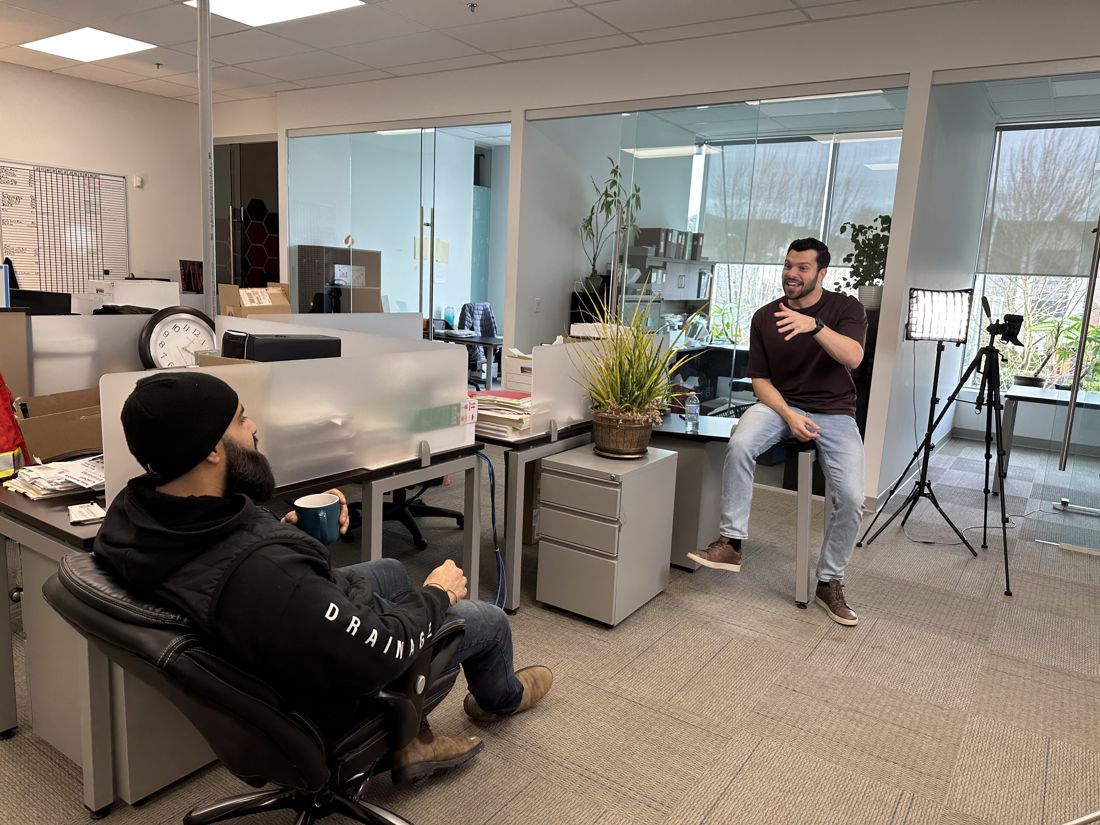
Neighbourhood guides, short market updates and listing walkthroughs give people a reason to follow you before they’re ready to move. Video works especially well because people get a sense of who you are. Film on your phone to start; if you want it to look polished, a video production team in Vancouver can film several pieces in one session.
Facebook and Instagram ads
Ads put you in front of homeowners and renters in your area before they start searching. Common offers are a free home valuation, an open house invitation or a first-time buyer guide. Done well, Facebook ads for real estate build both leads and name recognition.
Budget is the first question most agents ask, so we’ve broken down what Facebook ads cost in Canada in a separate guide. If you’d rather have someone plan, film and manage the campaigns, see our Facebook and Instagram ads for local businesses.
Your listings and open houses
Each listing is a lead source for buyers and for neighbours who wonder what their own home is worth. Collect contact details at open houses (with permission to follow up), share listings on social media, and follow up with everyone who came through, not just the serious buyers.

Should you buy real estate leads?
Bought leads are a shortcut to volume, not to closings. Results vary widely: some leads are ready to talk, others never answer or were “just looking”. Before you sign up, ask the vendor:
| Question | Why it matters |
|---|---|
| Are leads exclusive or shared with other agents? | Shared leads mean you’re racing other agents for the same person. |
| How were the leads collected? | A valuation form, a quiz and a giveaway bring very different intent. |
| Did people consent to be contacted? | You need consent to email or text them (see CASL below). |
| What happens with bad or fake contacts? | Look for a clear replacement or credit policy. |
| Is there a contract term? | Avoid long commitments before you’ve tested results. |
Then judge the service by cost per closed deal, not cost per lead. A cheap lead that never closes is more expensive than a costly one that does. Real estate decisions also take time, so plan to follow up with bought leads for months, not days.
BC and Canadian rules your marketing must follow
BCFSA advertising rules
The BC Financial Services Authority’s advertising guidelines apply to your ads, website and social media. The points that trip agents up most:
- Brokerage name on social media: if you use a social profile for business, your brokerage’s name must be on the profile. Each post doesn’t need it.
- Team names: must be approved by BCFSA, and unlicensed team members must be identified as unlicensed.
- Awards and claims: a claim like “top producer” or an award needs its basis, such as the source and date.
- Offers: if an ad makes a promise or offer, its conditions must be clear.
Check with your managing broker before launching a campaign. This is a summary, not legal advice.
Meta’s housing ad rules
Meta treats real estate ads as a Housing special ad category. According to Meta’s help page, for ads shown in Canada, targeting by age, gender, postal code, detailed targeting and lookalike audiences is limited or unavailable. In practice, you can’t aim an ad only at 35-year-olds in one postal code. Your creative and offer have to attract the right people instead.
CASL: consent before you text or email
Canada’s anti-spam law covers commercial emails and texts. Per Innovation, Science and Economic Development Canada:
- You need consent, either express (“Yes, please contact me”) or implied.
- Implied consent from an inquiry generally lasts 6 months; from an existing business relationship, up to 2 years.
- Every message needs your name, contact details and a way to unsubscribe, and unsubscribe requests must be handled within 10 business days.
Since real estate follow-up often runs longer than 6 months, ask for express consent on your forms and keep a record of it.
Follow-up: where most leads are won or lost
Most lead generation advice stops at getting the lead. The money is in what happens next. A buyer who fills in a form on Saturday night and hears nothing until Monday may already be talking to someone else.
A simple follow-up system includes:
- An instant reply by text or email so the person knows you got their message.
- A call within the same day, with a few questions about timing, area and budget.
- A longer nurture for people who aren’t ready: market updates and new listings that match what they want.
- One place for every lead, so nothing lives only in your phone or inbox.
A CRM handles most of this automatically, including texting back missed calls while you’re at a showing. If you want it set up for you, see our CRM and follow-up automation service.

How to decide where to start
You don’t need every source at once. Start with where you are:
- Newer agent: build your sphere list, set up your Google Business Profile, and host open houses for other agents’ listings. Add a small ad budget once your follow-up is in place.
- Established agent with a sphere: put past clients on a regular touch plan, ask for reviews, and use video and ads to reach homeowners in your farm area.
- Team: add paid ads and, if you test bought leads, route every lead into one CRM with clear rules for who follows up and when.
Illustrative example: an agent in Abbotsford might start with a monthly market video, a Google Business Profile review push and a home valuation ad for two neighbourhoods, then track which source turns into appointments over three months.
Conclusion
Good real estate lead generation isn’t one tactic. It’s a few sources you own, a clear test of any leads you buy, marketing that follows BCFSA, Meta and CASL rules, and follow-up that reaches people quickly and keeps going for months.
If you’d like help planning ads, video and follow-up for your real estate business, book a free strategy call and we’ll look at where your next leads should come from.
Frequently asked questions
Where do most realtors get their leads?
Most agents rely on a mix: referrals and past clients, inquiries on their own listings, open houses, online ads and, for some, bought leads. The steadiest pipelines come from sources the agent owns and keeps in touch with, backed by quick follow-up.
Are bought real estate leads worth it?
They can be, if you have the time and a system to follow up for months. Ask whether leads are exclusive or shared, how they were collected and whether people consented to be contacted. Then measure cost per closed deal, not cost per lead.
Can I target Facebook real estate ads by age or postal code in Canada?
No. Meta requires real estate ads to be declared under the Housing special ad category, and for ads shown in Canada it limits or removes targeting by age, gender, postal code, detailed targeting and lookalike audiences.
Do I need permission to text or email a real estate lead in Canada?
Yes. Canada's anti-spam law (CASL) requires consent for commercial emails and texts. Someone who submitted an inquiry gives you implied consent that generally lasts 6 months; for longer follow-up, ask for express consent and keep a record of it.
How quickly should I respond to a new real estate lead?
As fast as you reasonably can. CREA's own advice to agents is to respond to leads quickly. Automatic text and email replies help when you're in a showing.

Written by
Murilo T. Founder, Rank My Business Today
Murilo spent 20 years in the software industry supporting the marketing departments of other companies. In 2024 he founded Rank My Business Today to help local businesses across Greater Vancouver and the Fraser Valley become the name people find, trust and choose.
More about Murilo